

Starting a breathwork practice does not require special equipment, a quiet retreat, or a long block of free time. It can begin with a few minutes of noticing how you breathe and choosing to pause during an ordinary day.
For beginners in the Ottawa Valley, a daily practice can be a simple way to build familiarity with breath awareness. Hero’s Breath, founded by Stephanie “Stevie” Miller, offers guided breathwork and nervous system training for people navigating stress and busy lives. Whether you practise on your own or with a facilitator, the best starting point is a gentle approach that feels manageable and easy to repeat.
What Is Breathwork?
Breathwork is the intentional use of breathing or attention to breathing. Some practices involve observing the natural breath. Others use a particular rhythm to support a specific intention, such as settling, energizing, or building body awareness.
Breathwork is not about controlling every breath or achieving a perfect state. A beginner can simply notice whether the breath feels comfortable, quick, shallow, or held. That awareness can be enough to create a pause and help you decide what you need next.
Why Start With a Short Practice?
A short practice is easier to fit into everyday life. You might try it before starting work, during a quiet moment at home, or as part of your transition between activities. A few minutes can help you learn how you respond to paying attention to your breath.
It can also make the habit feel less demanding. If you start with a routine that takes only a few minutes, you may be more likely to return to it regularly. Consistency grows through repetition, not through making every session long or intense.
A Simple Breath Awareness Practice
Try this beginner-friendly exercise in a comfortable, safe place:
- Sit or lie down in a position that feels stable.
- Let your eyes remain open or closed, whichever feels more comfortable.
- Notice your breathing without changing it.
- Observe where you feel the breath, such as in your chest, abdomen, or nostrils.
- If your attention wanders, gently bring it back to one breath.
- After a few minutes, notice how you feel and decide whether to continue or finish.
There is no need to take unusually deep breaths. Keep breathing in a way that feels natural. If focusing on your breath feels uncomfortable, stop and turn your attention to something around you, such as the feeling of your feet on the floor or the sounds in the room.
How to Build a Daily Breathwork Habit
The most useful routine is one that fits your real schedule. Instead of waiting for the perfect time, connect your practice to something you already do.
You could practise:
- After waking up
- Before beginning your workday
- After returning home
- Before a regular evening activity
- During a quiet break when you have privacy
Choose one cue and begin with a few minutes. You can keep a simple note of when you practised and how it felt, but tracking is optional. If you miss a day, resume when it works for you. A missed session does not undo the habit.
Choose a Practice That Matches Your Intention
Some people want a practice that feels settling. Others are curious about breathwork that supports energy or focus. Hero’s Breath describes its guided approaches as Power-Down and Power-Up protocols: Power-Down is oriented toward settling and recovery, while Power-Up is oriented toward activation and capacity-building.
As a beginner, you do not need to decide which direction is best forever. Start with gentle breath awareness and learn how different practices feel. If you try a more structured technique, ask what to expect and choose a version that allows you to pause or stop.
Practise in a Comfortable Setting
Your environment can make it easier to focus. Choose a place where you can sit or lie down safely and avoid interruptions for a few minutes. Wear comfortable clothing and keep your phone nearby only if you need it for a guided recording or session.
You do not need to create a special atmosphere. A chair, cushion, or quiet corner is enough. If you are practising outdoors in the Ottawa Valley, choose a safe location where you can remain aware of your surroundings.
Avoid breathwork that distracts you while driving, operating equipment, caring for someone, or doing another task that requires your attention. Give the practice its own time and space.
What Beginners May Notice
Each person’s experience is different. You may notice that your attention wanders, your breath changes, or your body feels tense. You may feel calm, restless, focused, or simply neutral. There is no correct sensation you need to produce.
Try not to judge the session by whether you felt relaxed. The practice is an opportunity to pay attention and become more familiar with your own responses. If a technique feels uncomfortable, return to natural breathing or stop. You are allowed to adjust your position, open your eyes, or take a break.
When to Explore Guided Breathwork
A guided session can be helpful if you want more structure or have questions about different breathing practices. A facilitator can explain the intention of an exercise, lead you through it, and provide space for reflection.
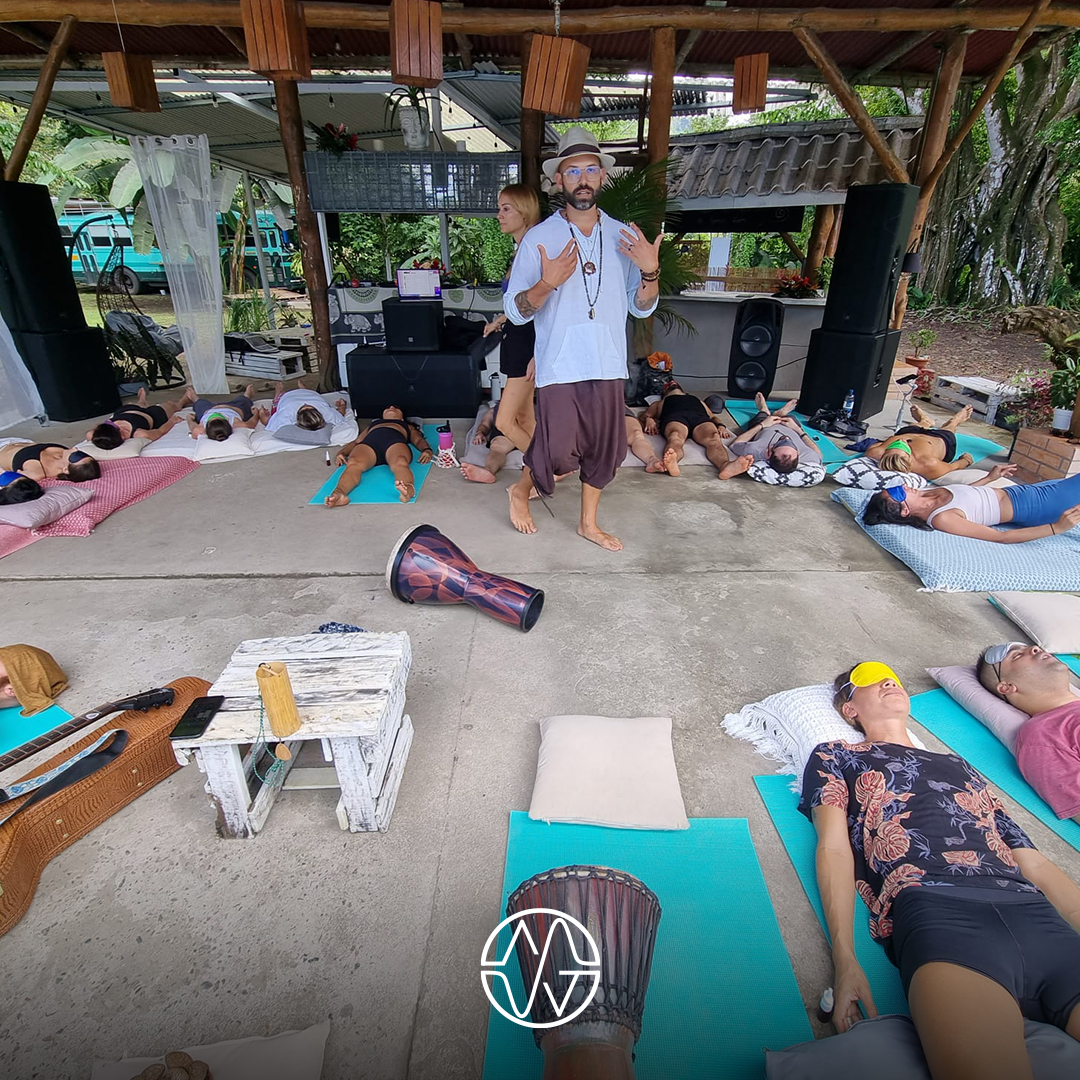
Hero’s Breath offers virtual sessions and select in-person sessions, as well as workshops and group training. The four-week nervous system reset combines education with guided practice. Beginners interested in participating can ask about the session format, the breathing techniques used, and how to pause if needed.
Before booking, consider asking:
- Is the session suitable for someone new to breathwork?
- What will the practice involve?
- Is it gentle, energizing, or more intensive?
- Can I pause or stop at any time?
- What should I do if I feel uncomfortable?
Clear answers can help you choose a session that matches your comfort level.
Keep Your Practice Flexible
A daily routine does not have to be identical every time. Some days you may have only a minute to notice your breathing. On other days, you may have time for a longer guided practice. The goal is to make breath awareness accessible, not to turn it into another task to complete perfectly.
You can also use a simple check-in during the day: notice your breath, notice your body, and choose what would help next. That may be a short walk, water, a conversation, rest, or returning to your current activity.
Begin With One Breath
A consistent breathwork practice in the Ottawa Valley can start with a small, repeatable step. Choose a comfortable place, notice your natural breathing for a few minutes, and connect the practice to a routine you already have. Keep it gentle, adapt it to your needs, and allow your experience to vary.
With time, regular practice can help you become more familiar with your breathing and the ways your body responds to daily demands. For beginners, there is no need to rush. Start with one breath, then return to the practice when you are ready.

